 Skip to main content

Avoid costly mistakes by choosing the right components early
Published date: 14 Apr 2026

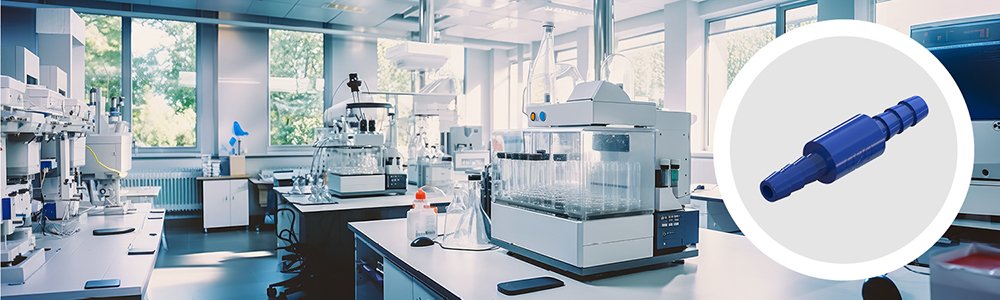
One of our Business Development Managers, Travis Kemp, talks about the difference between his theoretical experience of orifice restrictors and the reality of their application in the work place.
“I’m starting a series of posts called ‘What I Wish I
Knew as a Bioprocess Engineer’. I have a ChemEng degree, have worked
in bioprocessing start‑ups, and I’ve lived the gap between theory and practice.
Since then, I’ve joined TWG and learned about the huge range of components
available to engineers and where many of the practical limits lie. My aim with
these posts is to help others avoid costly mistakes by choosing the right
components early, from someone who now understands microscale components better
than most.
Orifice Restrictors: An example of lecture‑taught theory, but missing practical knowledge
At university I learned about orifice/flow restrictors in a
lot of detail, such as: ΔP = f(flow, viscosity, geometry), the formation of
eddies, pressure losses, transport phenomena, etc. By the time I graduated, I
was confident I knew everything I’d need to know to design one in real
life.
Meanwhile, my role as a bioprocess engineer at CellRev was
all about cell culture at bench scale. The reality was that it was very
uncommon to use restrictors in our lab set‑ups. Flow control was usually
handled with pumps or clamps. Restrictors rarely came up in day‑to‑day work.
Much later, when I joined TWG, I saw my first actual orifice
restrictors and I didn’t even know that’s what they were when I first saw them.
I suspect many bioprocess engineers, especially those with a ChemEng
background, are in a similar position: a solid understanding of the fluid
theory behind flow restriction but limited exposure to real examples. So next
time, I’ll cover:
- What a microscale orifice restrictor looks like
- When or why you’d use one in a lab‑scale set‑up
- How material and connection choices change with application
Bridging this knowledge gap, together with the theory most
engineers already have, would make orifice restrictors a far more useful and
accessible tool for lab‑scale fluid control.”
Leave us your comment
You need to login to submit a comment. Please click here to log in or register.